FOLK POLICE RECORDINGS

Q&A With The Heartwood Institute
Ahead of release day, we caught up with Jonathan Sharp for a chat about Plague Dogs
3/28/20263 min read
Ahead of the release of his new album, Plague Dogs, The Folk Police caught up with Jonathan Sharp, aka The Heartwood Institute, for a Q&A about the album, his working methods and his influences.
For anyone who doesn’t know it, could you give us a potted musical history of Jonathan Sharp in general and The Heartwood Institute in particular?
I’ve been involved with music since I was a teenager - everything from thrash metal to drum & bass to freeform improv music. Around 25 years ago, I got into library and production music and as a result had loads of things used on tv and films. I began tinkering with what turned into The Heartwood Institute in early 2015, mainly as an antidote for having to write library music to order, day in, day out.
You record under quite a few different aliases - can you talk about what makes some specifically a Heartwood Institute release?
Yes, I have several aliases, but for me each one is stylistically different and has a different approach to the way the music is created. I’ve had Heartwood described as folk horror, alt-folk, witch house and doom synth… all manner of things, but for me, I’m trying to capture a mixture of melancholy, hauntology and rural darkness, if that makes any kind of sense. The audio approach to Heartwood is different too - there’s a lot of processed field recordings and sound design involved.
What are some of your key musical and cultural influences or reference points?
Oh my word, that’s a multi-thousand-word essay, but let me throw out some loose suggestions – hauntology, counterculture, nature writing, folklore, new wave and cosy catastrophe sci-fi, retro tv and film - but even Cumbria itself is a huge inspiration. And as I’ve mentioned before, Burial is a huge inspiration, though I’m trying to make something that sounds less urban and more rural.
What particularly drew you to Richard Adam’s’ novel, The Plague Dogs as the subject matter for an album? Was it a childhood favourite? How important to you is the Lake District setting?
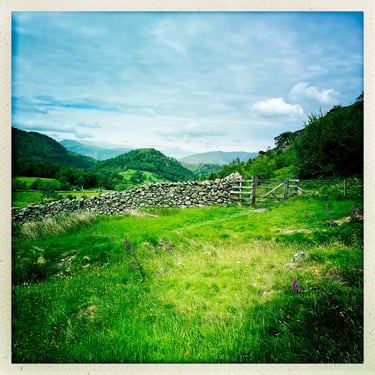
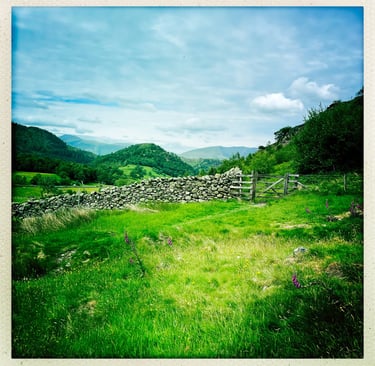
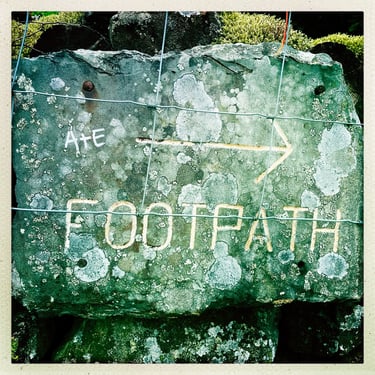
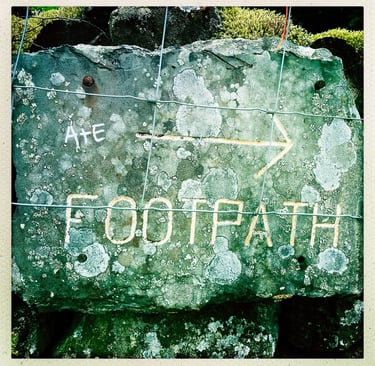
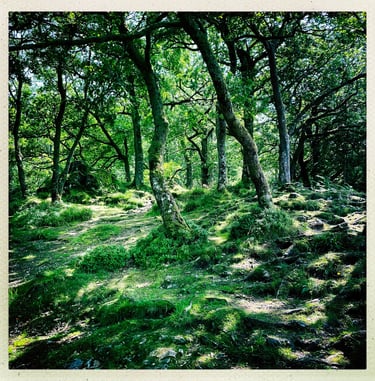
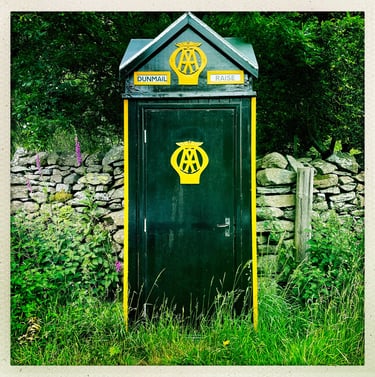
Initially it was about the Lake District setting: it’s very evocative of how I remember the Lakes as a child, not the tourist centre it’s become. But I’ve been a fan of Richard Adams for a long time, my mum introduced me to Watership Down as kid. I had originally thought of doing a soundtrack inspired by that, but the location of Plague Dogs really swung it for me. I was able to go out and do some location recording and also photography of places mentioned in the novel.
Can you tell us anything about the process of making of this music?
Initially I broke the book down into a series of locations and events and tried to encapsulate these with the music. I spent several afternoons out and about in the Lakes doing some location recordings. Some of these were used as they were, whilst some were heavily manipulated and turned into synth/sampler patches. Also, a lot of the synth sounds are made from scratch. I kind of build the noises I want to use from the ground up.
Can you tell us why you chose Animal Rescue Cumbria as the charity this album will be raising money for?
It’s very much a personal choice: I try and support animal charities whenever I can. They are a charity I’ve donated too before, and I’m delighted to be able to do so again with the proceeds of this release. But importantly there’s the Alfred Wainwright connection, which you can read about here. And of course, The Plague Dogs is illustrated by Wainwright himself.